The 10 Most Common Liquid Screed Installation Mistakes and How to Avoid Them
The 10 Most Common Liquid Screed Installation Mistakes and How to Avoid Them
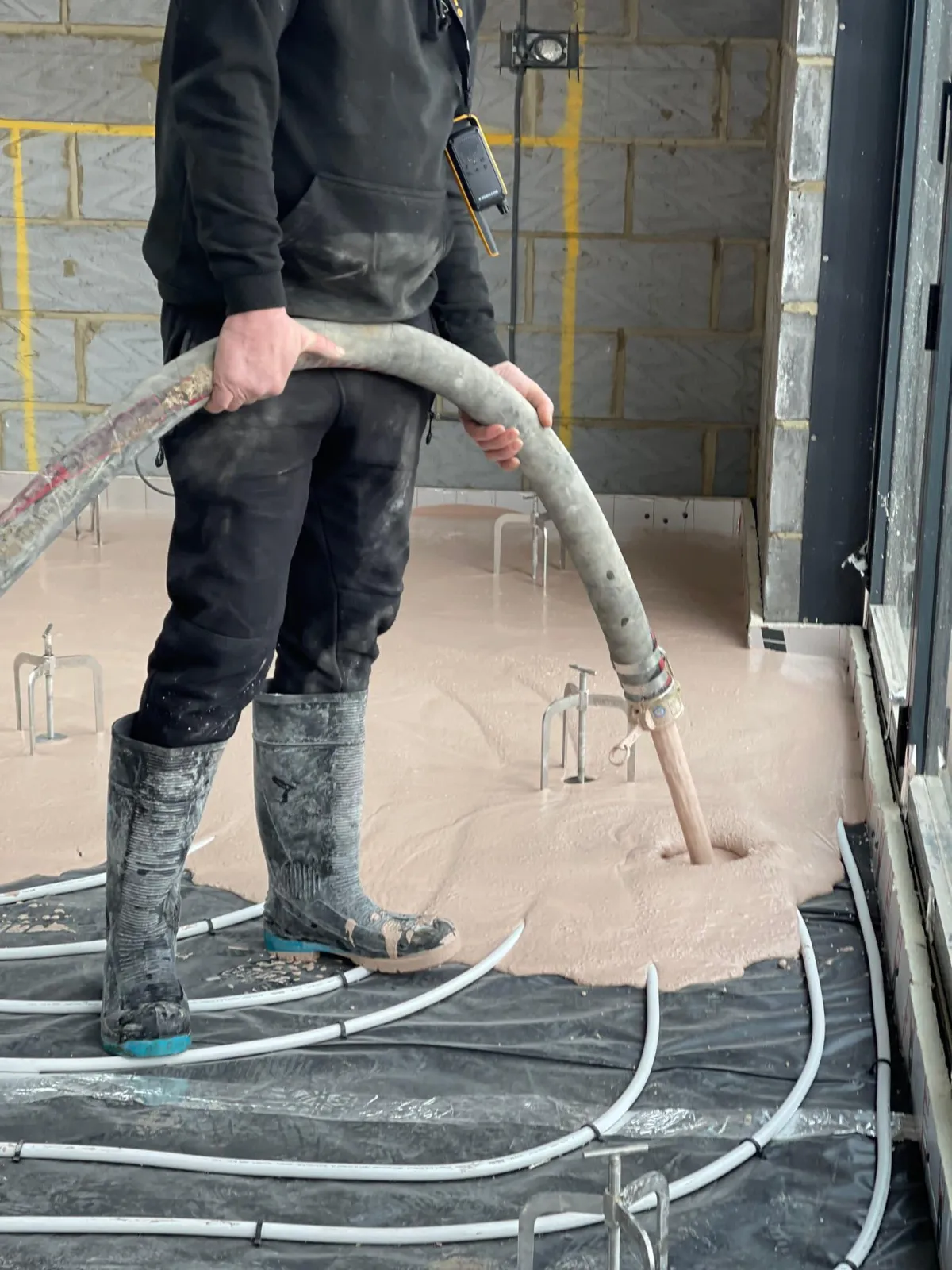
Liquid screed is an effective flooring solution for new builds, home extensions and commercial developments. However, achieving a reliable, level floor depends on correct preparation, installation and aftercare. Mistakes at any stage can lead to delays, surface defects and potentially expensive remedial work.
Whether you're a homeowner, builder or property developer, understanding the most common liquid screed installation mistakes can help you protect your investment and keep your project on schedule.
At Surrey Flow Screed, we provide professional liquid screed installation throughout Surrey and the South East, helping customers achieve suitable flooring foundations for their projects.
1. Poor Floor Preparation
Proper preparation is essential before liquid screed is poured. Gaps in membranes, incorrectly fitted insulation and unsecured components can cause problems during installation.
How to avoid it: Check the floor construction, insulation, membranes and perimeter edging before the scheduled pour. Ensure all preparation follows the specified screed system requirements.
2. Incorrect Screed Thickness
Installing screed at an unsuitable thickness can affect floor performance and increase the risk of defects. The correct depth depends on the product specification, floor construction and whether underfloor heating is installed.
How to avoid it: Confirm the required thickness before installation and ensure it complies with the manufacturer's technical guidance.
3. Poorly Secured Underfloor Heating Pipes
Where underfloor heating is installed, pipes must be securely fixed in their intended positions. Movement during pouring can affect the finished installation and the specified pipe coverage.
How to avoid it: Inspect the pipework before installation and confirm that the heating system has been tested in accordance with the manufacturer's requirements.
4. Inadequate Site Sealing
Liquid screed can escape through unsealed gaps around membranes, doorways and service penetrations. This can result in material waste, disruption and additional remedial work.
How to avoid it: Inspect all joints, edges and penetrations before pouring, paying particular attention to openings and changes in floor construction.
5. Ignoring Movement Joints
Movement joints help accommodate movement within the floor construction. Incorrect joint planning or failing to follow the specified joint layout can contribute to cracking.
How to avoid it: Ensure joint requirements are established in advance and follow the screed manufacturer's recommendations and project design.
6. Poor Drying Conditions
Temperature, humidity and ventilation can all influence how quickly liquid screed dries. Unsuitable conditions can extend drying times and disrupt the construction programme.
How to avoid it: Follow the manufacturer's guidance on ventilation, temperature and protection during the initial curing period. Allow sufficient time for drying before subsequent flooring work.
7. Turning on Underfloor Heating Too Early
Starting underfloor heating before the screed is ready can expose it to unsuitable thermal conditions. Rapid temperature changes can increase stress and contribute to defects.
How to avoid it: Follow the product-specific commissioning procedure, including the correct starting time and gradual temperature changes.
8. Failing to Remove Laitance Where Required
Some liquid screeds develop a weak surface layer known as laitance. If the specified preparation is not carried out, this layer can interfere with the bond between the screed and the final flooring system.
How to avoid it: Confirm the surface preparation requirements for the specific screed. Where sanding or another treatment is required, complete it before installing the floor covering.
9. Installing Flooring Before the Screed Is Ready
A screed surface may appear dry while retaining excess moisture beneath the surface. Installing flooring too early can cause adhesive failure, damage to moisture-sensitive materials and other flooring problems.
How to avoid it: Arrange appropriate moisture testing and confirm that the screed meets the requirements of the intended floor covering before installation begins.
10. Poor Coordination Between Trades
Screeding involves several stages of the construction programme, including floor preparation, heating installation, drying and final flooring. Poor communication between contractors can cause avoidable delays.
How to avoid it: Agree responsibilities and timelines with the main contractor, screeding team, heating installer and flooring contractor before work begins.
Frequently Asked Questions
What is the most important stage of liquid screed installation?
Every stage matters, but correct preparation is fundamental. A suitable floor construction, secure pipework where applicable and properly sealed membranes help create the conditions needed for a successful installation.
Can liquid screed installation mistakes be repaired?
Some defects can be repaired, but the appropriate solution depends on the cause and severity of the problem. Assessment by a suitably qualified professional can help determine the correct approach before the final flooring is installed.
How can I reduce the risk of screed problems?
Use a suitable screed specification, prepare the site correctly, follow the manufacturer's instructions and ensure adequate time is allowed for drying and flooring preparation.
Choose Surrey Flow Screed for Your Next Project
At Surrey Flow Screed, we provide professional liquid screed installation for residential and commercial projects throughout Surrey and the South East. Our team understands the importance of preparation, correct installation and coordination with other trades in achieving a suitable finished floor.
Whether you're planning a new build, home extension or commercial development, contact Surrey Flow Screed today for expert advice and a free, no-obligation quotation.
